

If you handle medical coding for geriatric, internal medicine, or palliative care practices, you run into adult failure to thrive regularly. The direct answer: the ICD-10 code for failure to thrive in adults is R62.7 (r62.7 icd 10), officially titled “Adult failure to thrive.” This fully billable, highly specific ICD-10-CM code covers patients aged 15 through 124 years, and the 2026 edition took effect on October 1, 2025, staying valid through September 30, 2026.
R62.7 sits inside Chapter 18 of the ICD-10-CM system — the chapter that handles symptoms, signs, and abnormal clinical findings that do not fit a more definitive diagnosis elsewhere. That placement matters enormously, because it shapes exactly how and when you apply this code in real-world practice.
Getting R62.7 right directly affects claim approval, DRG assignment, audit outcomes, and most importantly, the accuracy of the clinical story you tell about your patient’s progressive decline.
What is R62.7 ICD-10 Code?
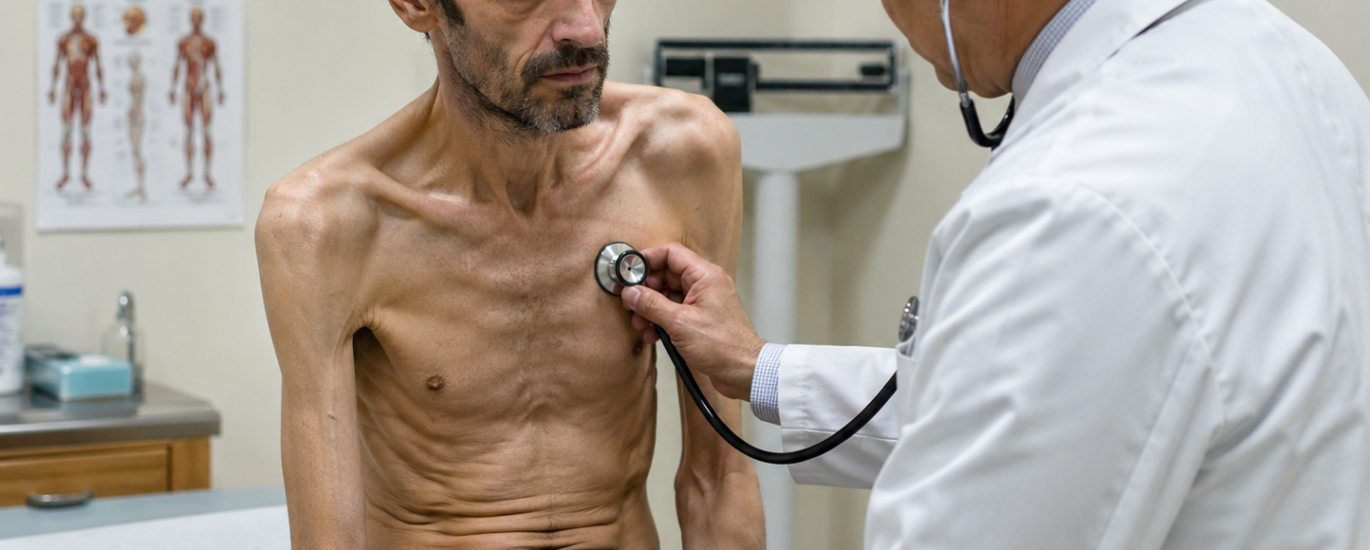
Before digging into the coding mechanics, the clinical picture must be crystal clear. Adult failure to thrive (R62.7) describes a state of progressive, multifactorial functional decline that affects both the physical and cognitive dimensions of a patient’s health. The condition goes beyond simple weight loss or a single diagnosable disease. Instead, it reflects broad deterioration where multiple body systems break down together, and the patient increasingly loses the ability to manage daily life, cope with illness, and maintain adequate nutrition.
The ICD-10-CM system defines adult failure to thrive as progressive functional deterioration of a physical and cognitive nature. The individual’s ability to live with multisystem diseases, cope with resulting problems, and manage personal care diminishes markedly. That definition tells coders something critical: R62.7 ICD-10 Code does not describe a standalone disease. It captures a syndrome — a constellation of declining functions, rather than a single cause.
In clinical practice, R62.7 adult failure to thrive shows up most often in elderly patients, though the code applies to any adult aged 15 and older. Nursing home residents, hospice candidates, and patients with multiple chronic conditions who stop responding to treatment often carry this diagnosis alongside other codes that identify contributing factors.
Who Gets Diagnosed with R62.7 Adult Failure to Thrive?
Adult FTT most commonly affects elderly patients — particularly those over 65 — but R62.7 technically covers any adult aged 15 to 124. Several overlapping conditions and circumstances drive the syndrome forward.
Malnutrition and unintentional weight loss form one of the most visible drivers. When a patient drops 5% or more of body weight over six to twelve months without intentional dieting, providers should begin considering R62.7 adult failure to thrive as part of the clinical picture. Low albumin levels in lab results often confirm the nutritional decline.
Depression and social isolation play a surprisingly large role. Adults who lose social connections, live alone, or experience grief often stop eating adequately and withdraw from activities that sustain physical function. Providers who code adult FTT frequently pair R62.7 with a depression code like F32.9 when the psychological component drives a significant portion of the decline.
Dementia and cognitive decline accelerate loss of self-care ability. As cognition fades, patients forget to eat, struggle to prepare meals, and lose track of medication schedules — all of which push the body into the spiral of decline that characterizes ICD-10 failure to thrive adult presentations.
Multiple chronic conditions — including heart failure, COPD, chronic kidney disease, and diabetes — compound each other, creating a physiological burden that overwhelms the body’s ability to maintain baseline function. When no single condition dominates the clinical picture, R62.7 adult failure to thrive captures the combined effect.
Dysphagia and feeding difficulties prevent adequate caloric intake even when appetite remains. Swallowing disorders from stroke, Parkinson’s disease, or head and neck cancers frequently appear alongside R62.7.
R62.7 ICD-10 Code in Context: The Full R62 Code Family
Understanding R62.7 ICD-10 Code (adult failure to thrive) means knowing how R62.7 fits into the broader R62 category and how it differs from related codes that frequently cause confusion.
R62 Category Overview
The parent category R62 covers “Lack of expected normal physiological development in childhood and adults.” Three key exclusions attach to this category: delayed puberty (E30.0), gonadal dysgenesis (Q99.1), and hypopituitarism (E23.0). None of those conditions should pair with R62.7 on the same claim.
R62.0 — Delayed Milestone in Childhood
R62.0 captures failure to achieve expected developmental milestones in childhood, such as delayed walking, speech, or motor skills. This code does not apply to adults — it is a completely separate tool from R62.7 adult failure to thrive.
R62.51 — Failure to Thrive (Child)
R62.51 covers failure to thrive in children over 28 days old through age 17. Never use R62.51 for adult patients. Age restrictions on both R62.51 and R62.7 are firm, and Medicare’s code editor flags age-range violations automatically.
R62.7 — Adult Failure to Thrive
This code carries the full clinical weight of adult FTT syndrome. Use it specifically for adult patients aged 15 and older who show progressive, multisystem functional decline without a single dominant underlying cause. R62.7 adult failure to thrive groups within MS-DRG 640 and 641, covering miscellaneous disorders of nutrition, metabolism, fluids, and electrolytes.
Critical Coding Rules for R62.7 Adult Failure to Thrive
Knowing the code number is just the starting point. Applying R62.7 ICD-10 Code correctly requires following several specific guidelines that protect claims from denials and audit risk.
Do Not Use R62.7 as a Principal Diagnosis When a More Specific Condition Exists
This rule ranks as the single most important coding principle for R62.7 adult failure to thrive. ICD-10-CM guidelines clearly state that R62.7 should not serve as the principal diagnosis when a related definitive diagnosis already exists in the record. If the provider documents dementia with malnutrition as the primary driver, those codes lead the claim — R62.7 supports as a secondary code. Only when no single definitive underlying condition explains the decline does R62.7 step up as the principal diagnosis.
R62.7 Works Best as a Secondary Code
In most real-world claims, R62.7 adult failure to thrive functions as an additional code that paints a fuller picture of the patient’s overall clinical status. Pair it with codes for conditions that contribute to the decline, such as malnutrition (E46), depression (F32.9), cachexia (R64), abnormal weight loss (R63.4), or chronic diseases driving functional deterioration.
Document the Multifactorial Nature of the Decline
Providers must document more than just the phrase “failure to thrive” to make R62.7 stick. Strong documentation includes weight trend data over the past six to twelve months, lab values showing low albumin or other nutritional markers, notes on functional decline in activities of daily living, identification of contributing factors, and a clear statement that no single dominant treatable condition explains the full picture.
Age Eligibility Matters
R62.7 adult failure to thrive applies exclusively to patients aged 15 through 124. Submitting this code for a patient under 15 triggers an automatic Medicare code edit flag. For pediatric patients, R62.51 handles failure to thrive; for newborns under 28 days, P92.6 applies.
Common Companion Codes That Pair with R62.7 ICD-10 Code
Because adult failure to thrive reflects a multifactorial syndrome, R62.7 rarely stands alone on a claim. Here are the most common companion codes:
- E46 — Unspecified Protein-Calorie Malnutrition
- R63.4 — Abnormal Weight Loss
- R64 — Cachexia (Type 2 Excludes note means R64 and R62.7 can coexist when both truly apply)
- F32.9 — Major Depressive Disorder, Single Episode, Unspecified
- Z60.2 — Problems Related to Living Alone
R62.7 Adult Failure to Thrive and Hospice Billing
One critically important area where R62.7 adult failure to thrive intersects with billing involves hospice eligibility. Medicare no longer accepts adult failure to thrive as a standalone terminal diagnosis for hospice admission. Because R62.7 does not qualify as a specific disease with a predictable six-month trajectory on its own, hospice claims built solely on this code will not pass Medicare review.
When patients with adult FTT characteristics need hospice care, the attending physician must identify a specific advanced underlying illness — such as end-stage dementia, advanced cancer, or end-stage heart failure — as the primary terminal diagnosis. R62.7 can still appear on the hospice claim as a secondary code, but it cannot anchor the admission alone.
Documentation That Makes R62.7 Audit-Proof
Strong documentation protects R62.7 adult failure to thrive claims during payer review or audit. The record should clearly include:
- A provider statement explicitly naming “adult failure to thrive” or “adult FTT” as a diagnosis
- Documented weight trends showing progressive unintentional weight loss over months
- Lab values such as albumin, pre-albumin, or CBC reflecting nutritional or physiological decline
- Functional assessment notes describing loss of ability to perform activities of daily living
- A clear narrative explaining that the decline involves multiple contributing factors without a single dominant cause
- Documentation of the workup completed to rule out or identify underlying causes
Missing any of these elements creates vulnerability during an audit — especially because R62.7 lives in Chapter 18, the chapter for symptoms and signs, which payers scrutinize more closely than disease-specific chapters.
Frequently Asked Questions
Q1: What is R62.7 ICD-10 Code?
R62.7 is the ICD-10-CM code officially titled “Adult failure to thrive.” It applies to adult patients aged 15 through 124 who show progressive, multifactorial physical and cognitive decline. The 2026 edition stays valid through September 30, 2026.
Q2: Can R62.7 serve as the principal diagnosis on a claim?
Only in limited situations — when no definitive underlying condition explains the patient’s decline. When a specific condition exists, R62.7 functions as a secondary code.
Q3: What is the difference between R62.7 and R62.51?
R62.7 covers adult failure to thrive (ages 15–124); R62.51 covers failure to thrive in children over 28 days through age 17. These are never interchangeable.
Q4: Does R62.7 adult failure to thrive apply to hospice billing?
Not as a primary terminal diagnosis. A specific advanced underlying illness must drive hospice eligibility. R62.7 may appear as a secondary code only.
Q5: Is adult failure to thrive (R62.7) the same as cachexia (R64)?
Not exactly. Cachexia links to a specific underlying condition; R62.7 reflects a broader multifactorial syndrome. Both codes can appear on the same claim when the clinical picture supports each.
This article provides informational guidance on ICD-10-CM coding for educational purposes. Always apply current official ICD-10-CM guidelines and your organization’s compliance policies when making specific coding decisions.