

If you work in medical coding, billing, or clinical documentation, getting the right code for respiratory failure can make or break a claim. So let’s get right to it: the acute hypoxic respiratory failure ICD-10 code is J96.01, which officially reads as “Acute respiratory failure with hypoxia.” This is a fully billable, highly specific ICD-10-CM code that sits within Chapter 10 of the ICD-10-CM system, covering diseases of the respiratory system.
The 2026 edition of J96.01 carries no changes from previous years and stays valid for all HIPAA-covered transactions running from October 1, 2025 through September 30, 2026. Coders, hospitalists, and billing teams across the U.S. rely on this code daily to document one of the most critical conditions in clinical medicine.
Knowing this code deeply matters beyond just submitting a clean claim. It directly drives DRG assignment, reimbursement rates, audit outcomes, and the clinical story your documentation tells about the patient.
What Is Acute Hypoxic Respiratory Failure ICD-10 Code?
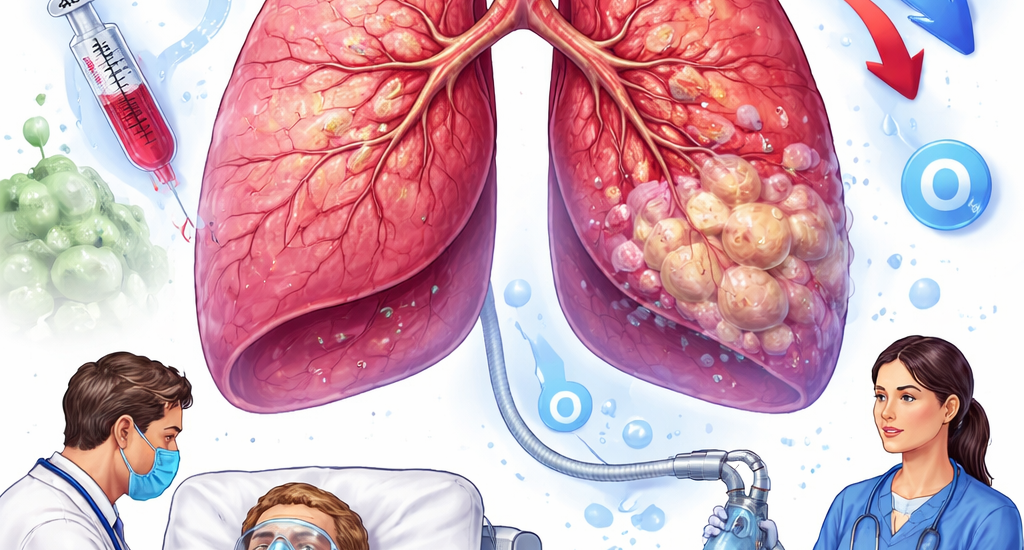
Before jumping into coding specifics, it helps to understand what this condition actually involves at the bedside. Acute respiratory failure with hypoxia happens when the lungs suddenly stop delivering enough oxygen to the bloodstream. The body’s gas exchange system breaks down rapidly, causing blood oxygen levels to fall dangerously low while tissues across the body starve for oxygen.
This differs from hypercapnic respiratory failure, where the primary problem involves the lungs failing to eliminate carbon dioxide. With hypoxic respiratory failure, low oxygen drives the clinical picture, and the patient typically shows an oxygen saturation dropping below 90% on room air, along with PaO2 levels falling under 60 mmHg on arterial blood gas testing.
Common triggers for this condition include severe pneumonia, acute respiratory distress syndrome (ARDS), pulmonary embolism, pulmonary edema from heart failure, and major trauma to the chest. The condition moves fast. Clinicians treat it as a medical emergency, and coders must capture it with equal precision using the correct Acute Hypoxic Respiratory Failure ICD-10 Code.
Signs and Symptoms of Acute Hypoxic Respiratory Failure ICD-10 Code
When providers document this condition, certain clinical markers typically appear in the record. As a coder, spotting these signals helps confirm that J96.01 fits the clinical picture correctly:
- Rapid onset of shortness of breath or air hunger
- Oxygen saturation below 90% on room air or on supplemental oxygen
- Cyanosis around the lips or fingernails
- Restlessness, confusion, or altered mental status from hypoxia
- Rapid, shallow breathing with accessory muscle use
- A racing heart rate as the body tries to compensate for low oxygen
- Arterial blood gas results confirming hypoxemia (PaO2 under 60 mmHg)
Any combination of these findings in the medical record, along with a clear provider diagnosis, builds a strong foundation for J96.01 coding.
The Full J96 Code Family: Breaking Down Every Respiratory Failure ICD-10 Code
The acute respiratory failure with hypoxia ICD 10 code J96.01 belongs to a broader family of respiratory failure codes under category J96. Understanding the entire J96 family helps coders pick the exact right code every time and avoid the costly mistakes that come from using unspecified codes when more precise options exist.
Acute Hypoxic Respiratory Failure ICD-10 Code (J96.0x)
J96.00 — Acute respiratory failure, unspecified whether with hypoxia or hypercapnia Reach for this code only when the provider documents acute respiratory failure but the clinical record does not specify whether hypoxia, hypercapnia, or both drive the condition. This is a fallback option only. Payers and auditors flag this code often, so always push for more specific documentation.
J96.01 — Acute respiratory failure with hypoxia This is your primary code for acute hypoxic respiratory failure ICD-10 situations. Use it when the provider clearly documents that low oxygen levels define the acute failure. Lab results showing hypoxemia back this code up strongly.
J96.02 — Acute respiratory failure with hypercapnia Choose this code when elevated carbon dioxide levels drive the acute respiratory failure, rather than low oxygen. This often shows up in COPD exacerbations where CO2 retention becomes the dominant issue, which connects to acute hypoxic hypercapnic respiratory failure ICD 10 scenarios when both gases go wrong simultaneously.
Chronic Respiratory Failure Codes (J96.1x)
J96.10 — Chronic respiratory failure, unspecified This serves as the general chronic respiratory failure code when the provider documents chronicity but skips specifying the gas exchange problem.
J96.11 — Chronic respiratory failure with hypoxia Use this code for long-standing hypoxemic failure, which often shows up in patients with severe COPD, interstitial lung disease, or obesity hypoventilation syndrome. This code captures chronic hypoxemic respiratory failure ICD 10 cases where the low oxygen condition has persisted over time rather than appearing suddenly.
J96.12 — Chronic respiratory failure with hypercapnia This applies when chronic CO2 retention defines the condition, common in advanced COPD and neuromuscular diseases affecting breathing.
Acute on Chronic Respiratory Failure Codes (J96.2x)
This subcategory deserves extra attention because it reflects one of the most common real-world clinical scenarios coders encounter.
J96.20 — Acute and chronic respiratory failure, unspecified Use this only when the provider documents acute-on-chronic failure without specifying the gas exchange defect.
J96.21 — Acute and chronic respiratory failure with hypoxia This code covers acute on chronic respiratory failure ICD 10 cases where a patient with existing chronic respiratory failure develops a sudden acute worsening that drives oxygen levels down. For example, a patient on home oxygen with known COPD who shows up to the ER with worsening hypoxia and an acute exacerbation gets J96.21 alongside J44.1. J96.21 also carries Major Complication or Comorbidity (MCC) status, which significantly boosts DRG weight and reimbursement compared to using chronic-only codes.
J96.22 — Acute and chronic respiratory failure with hypercapnia This fits when the acute exacerbation of chronic failure centers on rising CO2 levels rather than dropping oxygen, again commonly seen in COPD patients.
Key Coding Rules and Documentation Requirements
Getting the right acute hypoxic respiratory failure ICD-10 code onto a clean, defensible claim requires following specific coding conventions. Here are the rules that matter most.
The Provider Must Explicitly Document the Type
ICD-10 guidelines demand that the provider clearly state whether the respiratory failure involves hypoxia, hypercapnia, or both. As a coder, you cannot infer the type from lab values alone without a documented provider diagnosis. If the record shows an oxygen saturation of 85% but the provider only writes “respiratory failure,” you stay with J96.00 and query the provider for specificity.
Acute vs. Chronic vs. Acute on Chronic
The provider must also document whether the condition is acute, chronic, or acute on chronic. These distinctions change the code entirely and affect DRG assignment significantly. When a patient with known chronic respiratory failure comes in with a new acute episode, the coder should assign J96.21 for acute on chronic respiratory failure ICD 10 rather than separate acute and chronic codes.
Sequence the Underlying Cause Correctly
Respiratory failure frequently serves as the manifestation of another condition like pneumonia, COPD, or sepsis. ICD-10-CM guidelines allow coders to sequence respiratory failure as the principal diagnosis when the patient needs the admission specifically to treat the respiratory failure, even if another condition caused it. When both respiratory failure and an underlying condition equally drive the admission, sequencing follows the attending provider’s judgment and documentation.
What to Include in the Medical Record
Strong documentation supporting J96.01 should include all of the following:
- Explicit provider diagnosis: The record should state “acute respiratory failure with hypoxia” or “acute hypoxic respiratory failure” directly in the assessment or problem list.
- Arterial blood gas results: ABG values showing PaO2 below 60 mmHg on room air confirm hypoxia and support the code.
- Oxygen saturation data: Pulse oximetry readings below 90% on room air strengthen the clinical case.
- Identified underlying cause: The provider should document what triggered the failure, whether pneumonia, ARDS, pulmonary edema, or another condition.
- Treatment interventions: Documentation of oxygen therapy, BiPAP, CPAP, mechanical ventilation, or high-flow nasal cannula shows the clinical severity of the episode.
Missing any of these elements creates audit risk and can lead to claim denials.
Common Coding Mistakes to Avoid
Even experienced coders occasionally stumble on respiratory failure coding. Here are the most common mistakes and how to sidestep them.
Using J96.00 when J96.01 is clearly supported When the provider documents “Acute Hypoxic Respiratory Failure ICD-10 Code” and the record contains ABG values confirming low oxygen, J96.01 applies directly. Settling for the unspecified J96.00 code leaves reimbursement on the table and may trigger payer queries.
Coding J96.11 instead of J96.21 for acute-on-chronic cases When an acute episode hits a patient with pre-existing chronic respiratory failure, J96.21 captures the full clinical picture. Using the chronic-only code J96.11 misses the acute component and drops the DRG weight.
Confusing hypoxia with hypercapnia Hypoxia means low oxygen. Hypercapnia means high carbon dioxide. These two conditions drive different codes, different treatment approaches, and different clinical outcomes. Always check the ABG results and the provider’s language carefully before selecting between J96.01 and J96.02.
Skipping the underlying cause code J96.01 almost always pairs with a code for the underlying condition. Pneumonia, COPD exacerbation, sepsis, or pulmonary embolism driving the respiratory failure all need their own codes alongside J96.01. Submitting J96.01 alone often raises reviewer questions.
Exclusions That Apply to the J96 Category
The J96 category carries several important exclusions that coders must respect. The following conditions fall outside the J96 umbrella and require different codes entirely:
- Acute respiratory distress syndrome (ARDS): Use J80, not J96.01, for ARDS specifically.
- Cardiorespiratory failure: Code R09.2 covers this distinct condition.
- Newborn respiratory distress syndrome: P22.0 applies here, not J96 codes.
- Postprocedural respiratory failure: When respiratory failure directly follows a surgical or invasive procedure, J95.821 or related J95.8x codes take over.
- Respiratory arrest: R09.2 covers respiratory arrest as a separate event.
Treatment Context That Strengthens Your Documentation
For coders and clinical documentation specialists, understanding what treatment J96.01 typically drives helps you verify that the clinical record matches the code. Providers managing acute respiratory failure with hypoxia ICD 10 code cases commonly order:
- Supplemental oxygen through nasal cannula, face mask, or high-flow devices
- Non-invasive ventilation with BiPAP or CPAP for moderate-to-severe cases
- Mechanical ventilation through endotracheal intubation for critical cases requiring ICU-level care
- Treatment of the underlying cause, whether antibiotics for pneumonia, diuretics for pulmonary edema, or anticoagulation for pulmonary embolism
- Continuous pulse oximetry and arterial blood gas monitoring
When the record documents these interventions alongside the diagnosis, it builds a rock-solid case for J96.01 that survives audit scrutiny.
Frequently Asked Questions (FAQs)
Q1: What is the Acute Hypoxic Respiratory Failure ICD-10 Code?
The Acute Hypoxic Respiratory Failure ICD-10 Code is J96.01, formally titled “Acute respiratory failure with hypoxia.” Providers and coders use this billable code when the lungs suddenly fail to maintain adequate oxygen levels in the blood. It stays valid for fiscal year 2026 claims through September 30, 2026.
Q2: What is the difference between J96.01 and J96.00?
J96.01 specifies that hypoxia drives the acute respiratory failure, making it the most accurate code when oxygen levels drop below acceptable ranges. J96.00 covers acute respiratory failure when the provider does not specify whether hypoxia or hypercapnia causes the problem. Always choose J96.01 over J96.00 when documentation supports it.
Q3: What ICD-10 code covers acute on chronic respiratory failure with hypoxia?
The correct code for acute on chronic respiratory failure ICD 10 with hypoxia is J96.21. Use this when a patient with pre-existing chronic respiratory failure develops a new acute episode that drives oxygen levels down. J96.21 also carries MCC status, which boosts DRG reimbursement significantly.
Q4: What is the ICD-10 code for chronic hypoxemic respiratory failure?
The ICD-10 code for chronic hypoxemic respiratory failure ICD 10 is J96.11. Use this for patients with long-standing low oxygen levels due to conditions like severe COPD, interstitial lung disease, or obesity hypoventilation syndrome, without any acute worsening event.
Q5: When does a coder use J96.02 instead of J96.01?
Use J96.02 when elevated carbon dioxide, rather than low oxygen, defines the acute respiratory failure. This often shows up in COPD exacerbations where CO2 retention dominates. For acute hypoxic hypercapnic respiratory failure ICD 10 cases where both oxygen drops and CO2 rises, the provider’s documentation determines which component leads the code selection.
Q6: Does J96.01 require a code for the underlying cause?
Yes, in almost every case. ICD-10-CM guidelines instruct coders to add a code identifying the underlying condition that triggered the acute respiratory failure, whether that is pneumonia, sepsis, COPD exacerbation, pulmonary embolism, or another cause. Submitting J96.01 in isolation often draws payer scrutiny.
Q7: Can J96.01 serve as the principal diagnosis on a hospital claim?
Yes. When the primary reason for admission is to treat the acute respiratory failure itself, J96.01 can lead the claim as the principal diagnosis even if another condition caused the respiratory failure. The attending provider’s documentation and the circumstances of admission guide this sequencing decision according to official ICD-10-CM guidelines.
Q8: What documentation does J96.01 require to survive an audit?
To survive audit scrutiny, the record needs an explicit provider diagnosis of “acute respiratory failure with hypoxia,” arterial blood gas values or pulse oximetry confirming low oxygen, notes on the clinical presentation and severity, identification of the underlying cause, and documentation of treatment interventions like oxygen therapy or mechanical ventilation.
This article provides informational guidance on ICD-10-CM coding for educational purposes. Always apply current official ICD-10-CM guidelines and your organization’s compliance policies when making specific coding decisions.