

Understanding Z12.11 in Modern Healthcare
When you walk into a healthcare facility for a routine colon cancer screening, a seemingly simple preventive visit triggers a cascade of documentation and coding processes. At the heart of that documentation sits one critical code: Z12.11. This diagnosis code might sound like alphabet soup to most patients, but to healthcare professionals and billing specialists, it represents a crucial distinction that affects coverage, reimbursement, and how your screening encounter gets recorded in medical history.
The truth is, Z12.11 stands as one of the most misunderstood diagnosis codes in healthcare today. Coders submit it incorrectly. Providers document inconsistently around it. Payers scrutinize it more closely than almost any other code. Yet understanding this single code can mean the difference between zero out-of-pocket costs for a preventive procedure and unexpected bills landing in your mailbox weeks later.
This comprehensive guide unpacks everything about Z12.11 diagnosis code in 2026. Whether you’re a medical professional, billing specialist, healthcare administrator, or someone simply curious about your own screening documentation, what follows will give you the clarity you need. We’ll explore exactly what Z12.11 means, when to use it, common mistakes that trigger denials, and how 2026 updates affect coding practices.
What Is Z12.11? Understanding the Preventive Screening Code
Z12.11 carries the official description “Encounter for screening for malignant neoplasm of colon,” and it’s one of the most critical codes in preventive healthcare documentation. Let’s break this down in plain language that makes sense.
The code indicates that a patient came in specifically for colon cancer screening when they have no symptoms and no prior diagnosis of colon cancer. This is the key distinction. Z12.11 tells your insurance company, your healthcare provider, and the medical record system that this encounter happened purely for prevention, not for diagnosis or treatment of an existing condition.
Under the International Classification of Diseases, 10th Revision Clinical Modification (ICD-10-CM), Z12.11 falls within the Z12 category, which covers “Encounter for screening for malignant neoplasms.” The “11” designation specifically narrows the focus to the colon, distinguishing it from Z12.12 (rectal screening) or other cancer screening codes.
Think of it this way: your colon cancer screening ICD 10 code creates a paper trail that documents your preventive care. This matters because the Affordable Care Act requires most insurance plans to cover preventive services with no cost-sharing when they receive an A or B rating from the U.S. Preventive Services Task Force (USPSTF). Colon cancer screening meets this threshold, and using the correct diagnosis code Z12.11 ensures your plan recognizes the service as preventive rather than diagnostic.
The code became effective with the ICD-10 implementation on October 1, 2015, replacing the previous ICD-9 code V76.51. Now, as we move through 2026, Z12.11 remains unchanged and valid for all claims with service dates from October 1, 2025, through September 30, 2026.
Meaning and Clinical Context of Z12.11 Diagnosis Code
Understanding what Z12.11 truly means requires grasping the difference between screening and diagnosis in healthcare terminology.
A screening procedure looks for disease or disease precursors in asymptomatic individuals. That’s the technical definition, and it’s important. Your patient comes to the clinic feeling fine. They have no blood in their stool. No abdominal pain. No family history that would trigger earlier screening. But age, routine guidelines, or moderate risk factors brought them in for a colonoscopy. That’s when Z12.11 becomes appropriate.
Malignant neoplasm, the clinical term in the code descriptor, simply means cancer. In this context, it refers to cancerous tumors that might exist in the colon or the potential for such tumors to develop. The Z12.11 code says, “We’re looking for this, but we don’t know if it’s there yet.”
By contrast, a diagnostic colonoscopy addresses symptoms or suspected conditions. If your patient came in saying “I’ve been having rectal bleeding for two months,” a colonoscopy performed to investigate that symptom becomes diagnostic, not preventive. That scenario calls for different codes entirely, codes that reflect the sign or symptom being investigated.
This distinction carries enormous weight. Z12.11 is a factor influencing health status code. It describes a circumstance affecting the patient’s health, not an active illness or injury. Because of this, Z12.11 technically cannot serve as a principal diagnosis on an inpatient claim. In the outpatient setting, it functions as the primary diagnosis when documenting a preventive screening encounter.
The code triggers several important clinical documentation requirements. When Z12.11 is assigned, the medical record must clearly document the preventive nature of the encounter. Absence of symptoms must be explicit. The type of screening procedure performed must be specified. Family history, when present, should be coded separately using Z80 codes (family history of malignant neoplasm).
When to Use Z12.11 vs. When to Use Alternative Codes
The distinction between Z12.11 and other colonoscopy codes creates constant coding challenges in practice. Getting this decision right means proper reimbursement and avoiding audits. Getting it wrong leads to denials and compliance questions.
Use Z12.11 when all of these conditions exist: The patient is asymptomatic (no rectal bleeding, abdominal pain, changes in bowel habits, or other concerning symptoms). The colonoscopy is performed as a routine preventive screening procedure. The encounter is not investigating any signs or symptoms of disease. The patient has no prior diagnosis of colorectal cancer.
Don’t use Z12.11 when: The patient presents with concerning symptoms like rectal bleeding or abdominal pain. The colonoscopy is being performed to investigate an abnormal previous test result. The patient has a personal history of colorectal polyps or cancer. The purpose is diagnostic evaluation rather than prevention.
Common alternative codes healthcare providers must consider include Z12.12 (rectal screening), Z12.13 (small intestine screening), and diagnostic colonoscopy codes paired with symptoms that prompted the procedure. Many coders also wonder about Z80 (family history) codes. When family history exists, the Z80 code gets added as a secondary diagnosis, never replacing Z12.11 as the primary code.
Symptoms and Risk Factors Affecting Screening Decisions
While Z12.11 specifically applies to asymptomatic screening, understanding which patients qualify for screening depends on recognizing risk factors and meeting USPSTF guidelines.
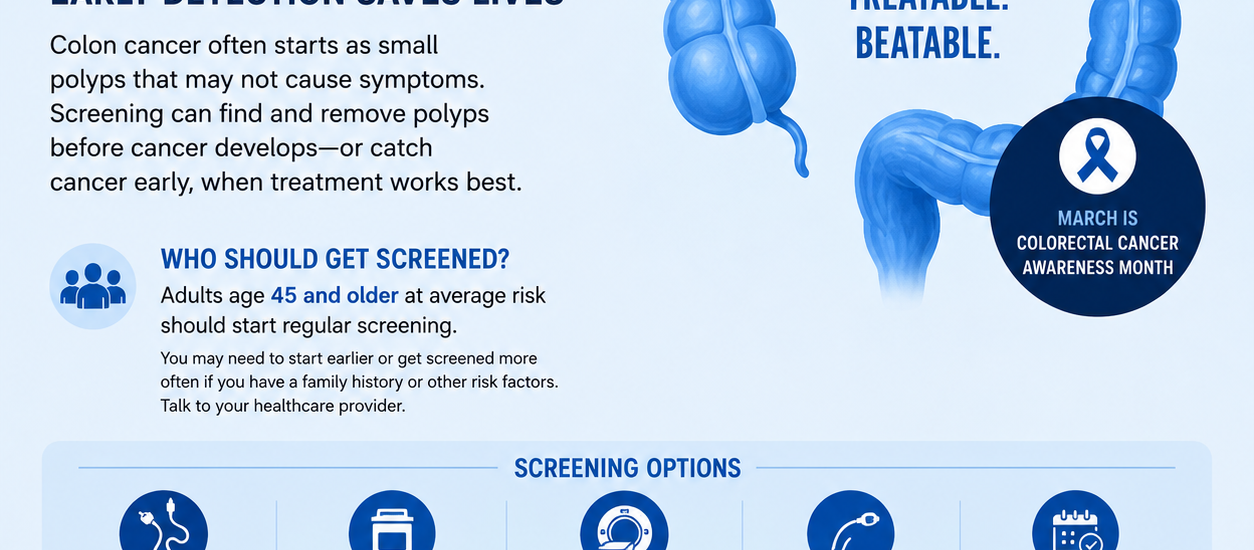
Standard screening recommendations cover average-risk individuals aged 45 to 75 years. This age range shifted in recent years, with the USPSTF lowering the starting age from 50 to 45, reflecting epidemiological trends showing rising colorectal cancer rates in younger adults.
Patients with elevated risk factors may qualify for earlier screening. These include: Positive family history of colorectal cancer, particularly in first-degree relatives diagnosed before age 60. Personal history of adenomatous polyps in previous screening. Inflammatory bowel conditions like Crohn’s disease or ulcerative colitis. Genetic syndromes such as familial adenomatous polyposis (FAP) or Lynch syndrome. Lifestyle factors including smoking, sedentary behavior, obesity, excessive alcohol consumption, and diets high in processed meats.
Women reporting colon cancer more frequently than men, though the reasons remain incompletely understood. Age-related risk increases dramatically after 50, which drives the screening recommendations.
The screening procedure itself, typically a colonoscopy, allows direct visualization of the colon and rectum. During the procedure, polyps can be removed and biopsied, serving both screening and treatment purposes. Other screening modalities include flexible sigmoidoscopy, fecal occult blood testing (FOBT), and computed tomographic colonography.
Billing and Reimbursement: Z12.11 Billing Tips
The coding decision for Z12.11 directly impacts billing outcomes, coverage determinations, and patient out-of-pocket costs.
Several critical billing rules apply to Z12.11:
First, Z12.11 must be listed as the primary diagnosis on the claim. This designation tells the payer upfront that the service is preventive. Many claim denials occur when Z12.11 appears in secondary position, as this signals to automated payer systems that something else was the primary reason for the visit.
Second, the appropriate CPT code for the screening procedure must accompany Z12.11. A screening colonoscopy typically pairs with CPT 45378 or similar codes designated as preventive. Using non-preventive CPT codes with Z12.11 creates a mismatch that confuses payer systems.
Third, when polyps or other findings are discovered during a screening colonoscopy, Z12.11 remains the primary diagnosis. The pathology code for the polyp (like D12.6 for benign colon polyp) gets added as a secondary diagnosis. Many coders mistakenly think they should replace Z12.11 with a diagnostic code when findings occur. They shouldn’t. The screening code stays in place.
Medicare applies specific rules around Z12.11. Medicare covers screening colonoscopies without cost-sharing when Z12.11 is properly documented. However, if the colonoscopy “converts” from screening to diagnostic because findings are discovered, cost-sharing may apply to the diagnostic portion. This conversion rule varies by Medicare Administrative Contractor (MAC).
Commercial plans follow similar patterns under the Affordable Care Act mandate for preventive care. Plans must cover preventive services with A or B USPSTF ratings without cost-sharing. Colon cancer screening holds an A rating, making it fully covered preventive care when Z12.11 appears correctly coded.
Documentation supporting medical necessity becomes critical. The record should explicitly state the preventive nature of the screening, the patient’s age or risk category, and compliance with USPSTF guidelines.
Related Codes and the Z12 Family
Understanding Z12.11 within the broader context of cancer screening codes clarifies when each code applies.
The Z12 category contains multiple codes for different cancer screening encounters: Z12.11 specifically targets colon screening. Z12.12 applies to rectal screening (though some organizations use Z12.11 for both). Z12.13 covers small intestine cancer screening. Z12.2 addresses cervical cancer screening. Z12.31 and Z12.32 cover breast cancer screening. Z12.4 encompasses prostate cancer screening. Z12.5 applies to colorectal cancer screening when the specific site isn’t determined.
Beyond the Z12 category, related codes include: Z80 codes documenting family history of malignant neoplasms. Z85 codes for personal history of malignant neoplasm (used after cancer treatment is complete). Diagnostic colonoscopy codes (45378-45398 range with appropriate modifiers) when symptoms prompt the procedure. Polyp pathology codes when biopsies occur during screening.
Understanding these relationships prevents miscoding. A patient with family history of colon cancer screened preventively gets Z12.11 plus Z80.0 (family history of malignant neoplasm of digestive organs), never just one code alone.
Common Coding Mistakes and How to Avoid Them
Mistakes involving Z12.11 occur with surprising frequency, creating claim complications and audit exposure.
Mistake Number One: Using Z12.11 for diagnostic colonoscopies. Providers sometimes code screening procedures under Z12.11 even when the patient presented with symptoms. Careful documentation review prevents this error. The medical record must explicitly document “screening” and absence of symptoms.
Mistake Number Two: Replacing Z12.11 when findings are discovered. Coders discover polyps during a “screening” colonoscopy and switch to a diagnostic code, thinking they’ve found “real” pathology. The correct approach maintains Z12.11 as primary with polyp codes added secondarily.
Mistake Number Three: Omitting Z12.11 entirely from screening claims. Some providers code only the CPT procedure code, assuming insurance will infer this is preventive. Insurance systems require explicit diagnosis coding to recognize preventive status.
Mistake Number Four: Failing to document preventive nature clearly. Rushed chart documentation that simply says “colonoscopy” without specifying “screening” creates ambiguity. Coders cannot code what providers don’t document.
Mistake Number Five: Using Z12.11 as secondary diagnosis. Some claim submissions place Z12.11 in the number two position, listing something else as primary. Payer systems then process claims under standard medical benefits rather than preventive benefits.
Mistake Number Six: Incorrect CPT code pairings. Using diagnostic CPT codes with Z12.11 creates system mismatches. Every screening colonoscopy CPT must pair with Z12.11; every diagnostic colonoscopy must pair with symptom or finding codes.
Avoiding these mistakes requires training, documentation templates that prompt preventive status, and coder education focused on the Z12.11 distinction.
2026 Updates and Changes to Preventive Care Coding
The 2026 ICD-10-CM update cycle brought no structural changes to Z12.11 itself. The code remains valid, unchanged, and effective from October 1, 2025, through September 30, 2026.
However, several important 2026 developments affect Z12.11 usage:
CMS continues emphasizing preventive care coding accuracy. The Quality Payment Program (QPP) includes measures tied to colon cancer screening rates, making documentation of Z12.11 increasingly important for quality metrics and reimbursement rates.
Medicare MAC policies around screening-to-diagnostic conversion continue evolving. Some regions are tightening standards around when a screening becomes diagnostic and cost-sharing applies. Practices should review their specific MAC’s Local Coverage Determination (LCD) for current policy on screening colonoscopies.
The Preventive Services Task Force modified screening age recommendations, lowering the starting age to 45 for average-risk individuals. This change expands the population eligible for preventive screening, increasing Z12.11 claim volume.
Payer medical necessity policies continue hardening around documentation requirements. Claims lacking explicit documentation of preventive nature and patient symptoms status now face higher denial rates. The “assumed preventive” approach no longer flies.
Artificial intelligence and machine learning tools increasingly flag potential coding errors. Claims with Z12.11 but wrong procedure codes or documentation inconsistencies trigger automated reviews before claims reach human reviewers.
Billing specialists should expect heightened scrutiny of Z12.11 claims during 2026. What passed payer systems in previous years may now trigger denial requests or recoupments.
Frequently Asked Questions About Z12.11
Professionals working with Z12.11 regularly encounter the same questions. Here are the most common inquiries with clear answers.
Q: Can Z12.11 be the only diagnosis code on a screening colonoscopy claim? A: Yes, when no findings are discovered and no other conditions require documentation. However, if family history exists or abnormalities are found, secondary codes are added.
Q: What happens when polyps are removed during a screening colonoscopy coded with Z12.11? A: Z12.11 remains the primary diagnosis. Pathology codes for the polyp are added as secondary diagnoses. The claim should include appropriate removal procedure codes.
Q: Is Z12.11 covered by insurance without cost-sharing? A: Under the Affordable Care Act, yes, when properly documented on a compliant claim. However, if the screening converts to diagnostic due to findings, some plans may apply cost-sharing to the diagnostic portion.
Q: How does Z12.11 differ from Z12.12? A: Z12.11 applies to colon cancer screening specifically. Z12.12 targets rectal cancer screening. Some providers use Z12.11 for both sites; others differentiate based on anatomical location screened.
Q: Can Z12.11 be used on an inpatient hospital claim as principal diagnosis? A: No. Z12.11 cannot serve as principal diagnosis on inpatient claims. It’s appropriate only for outpatient preventive encounters.
Q: What if a patient has personal history of polyps and comes for routine screening? A: Z85 codes indicate personal history. However, if the current visit is for routine preventive screening (not specific evaluation of prior condition), Z12.11 remains appropriate as primary diagnosis.
Q: Does family history of colon cancer change the coding from Z12.11? A: No. Z12.11 remains the primary code. Family history codes (Z80.0) are added as secondary diagnoses.
Q: When should modifiers be applied to screening colonoscopy codes with Z12.11? A: Modifier PT (Patient responsibility) may apply under some payer rules. The Preventive PT modifier signifies preventive care status to certain insurance systems.
Practical Workflow: How to Correctly Apply Z12.11
Here’s a step-by-step process to ensure Z12.11 coding accuracy:
Step One: At the point of scheduling or intake, clearly identify whether the patient is presenting for preventive screening or diagnostic evaluation. Document this explicitly.
Step Two: Review the medical record at time of service. Confirm the absence of symptoms or prior diagnosis. If symptoms exist, the colonoscopy becomes diagnostic, not preventive.
Step Three: Verify the procedure performed matches preventive screening intent. Screening colonoscopies have specific CPT codes that differ from diagnostic colonoscopies.
Step Four: When assigning diagnosis codes, place Z12.11 in the primary position. Add family history codes if applicable. If findings are discovered, add pathology codes as secondary diagnoses.
Step Five: Apply appropriate procedure codes. Ensure CPT code descriptor indicates “screening” or “preventive” to match Z12.11.
Step Six: Include modifier PT if your payer system requires it for preventive services.
Step Seven: Review documentation completeness before submission. Medical necessity, symptom status, and preventive purpose must be evident in the record.
Step Eight: Monitor claim status. If denials occur, review payer LCD policies specific to your Medicare MAC or commercial plan.
Conclusion: Z12.11 as a Critical Healthcare Code
The Z12.11 diagnosis code represents far more than a random alphanumeric combination. It embodies the healthcare system’s commitment to preventive care, early detection, and population health. Every time a coder assigns Z12.11 correctly, a patient benefits from proper insurance processing, zero out-of-pocket costs, and accurate health documentation.
Understanding Z12.11 means recognizing the distinction between prevention and diagnosis. It means grasping how coding decisions affect reimbursement and patient experience. It means contributing to data that tracks population health trends and screening compliance.
As you move forward in 2026, whether your role is clinical, administrative, or financial, remember that Z12.11 matters. It matters to the patient receiving the preventive service and to the provider delivering care. It matters to the insurance system processing the claim. And it matters to the broader healthcare community tracking the success of preventive strategies in combating colorectal cancer.
The next time you encounter Z12.11, you’ll see it not as a code, but as a symbol of prevention, accuracy, and patient-centered care.
Author’s Note
This article reflects current 2026 ICD-10-CM coding guidelines (effective October 1, 2025 through September 30, 2026). Coding practices, payer policies, and quality measures continue evolving. Always verify current guidelines with authoritative sources, consult payer LCDs, and stay updated on coding changes that may affect your specific situation. Healthcare professionals should supplement this general information with organization-specific policies and professional coding resources.